Those Southern Staples – Biscuits and Cornbread

Thanks so much to the wonderful site Vegan Bliss from the Organic Goddess – promoting Veganism in Atlanta – this is new southern baking!

(originally published March 2002, in Co-options, the newsletter of Sevanada Natural Foods Cooperative in Atlanta, GA. http://www.sevananda.coop )
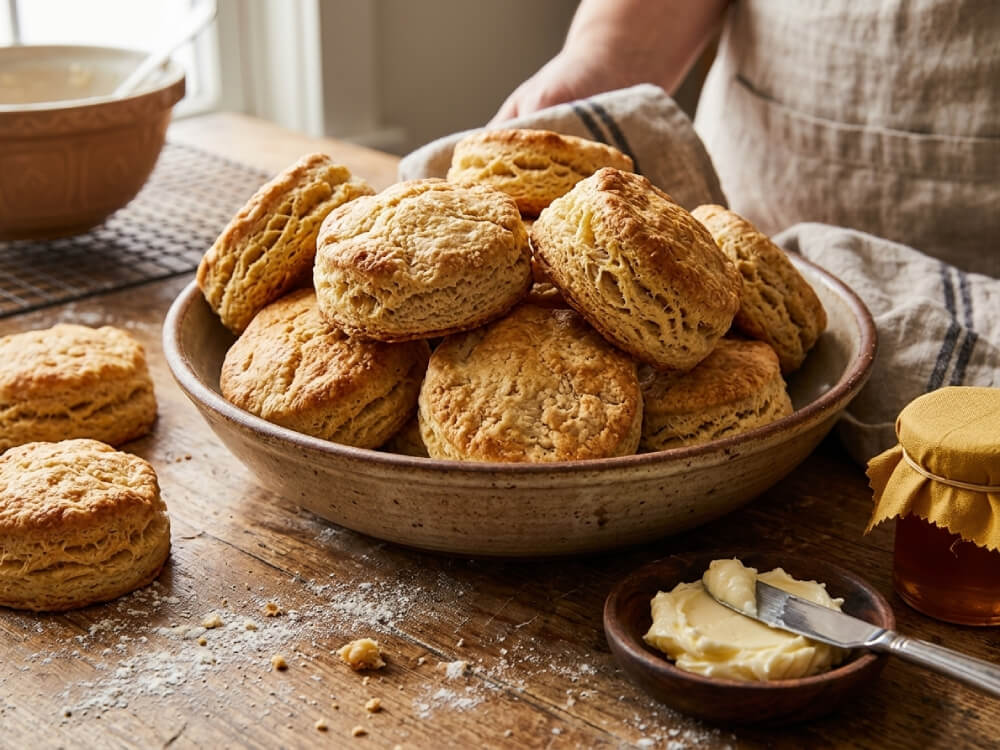
I come from a long, proud line of biscuit makers. My mother’s mother (Pansy) could make a pan of biscuits that you would swear could float off the plate. My mother (Jo) has always been convinced that her biscuits aren’t as good as Pansy’s, but they are. You find yourself reaching for the preserves just to have something to hold them down. Vegan biscuits were one of the things that I just had to get right, and now that I have, I’ll tell y’all the secrets.

Actually, making good biscuits isn’t hard; it’s just a matter of practice and keeping a few simple rules in mind. These are to a) choose a low gluten (low protein) flour, b) keep the ingredients cool or cold, c) handle the dough as little as possible, d) bake these items at a higher temperature than you might expect (400-450 F), and e) serve them hot – as soon as they’re ready. I usually try to make sure that everyone is seated at the table before I pull the pan out of the oven! (These rules also apply for scones, soda bread, and pie crusts.)

For those of you who are into the kitchen science thing – here are the reasons behind the rules:

a) Low gluten flour – This surprises a lot of people, since they’ve heard that high gluten flour is often called “bread flour”. What they don’t understand is that biscuits are not really “bread” in the classic sense – they are pastry. Look for flour that says “soft wheat” or “pastry flour”. “All-purpose” flour will be alright. Avoid “bread flour”. For truly light Southern-style biscuits, use a self-rising biscuit flour like White Lily. I don’t recommend this for everyday eating, of course, but biscuits are pretty high in fat, so I wouldn’t recommend them for everyday eating anyway.
b) Keep the ingredients cool – Pastry is often “short” or rich in shortening. Shortening is called that because it shortens the gluten strands in the flour, making the final product flaky and tender, rather than chewy like a yeast bread. In order to maximize the flakiness in your biscuits or other pastries, you want the fat (shortening) to remain in discrete units rather than melting into the flour. The small chunks of fat keep the flour layers apart and contribute to the overall flakiness of the product. I have cool hands, so I work my shortening in using my fingers during cool weather, but if your hands are warm, you’ll want to use a pastry cutter (which looks like a handle with a half-moon shaped set of wires or blades attached). If you leave your shortening in fairly large chunks, you’ll have very flaky biscuits, but they’ll fall apart. If you work all the shortening in until your flour resembles coarse cornmeal, your biscuits will be tender, but not flaky. For the best flaky-tender balance, work most of your shortening in until the flour looks like coarse corn meal, but leave a few pea-sized pieces of shortening as well.

I use a natural, non-hydrogenated, organic shortening made by Spectrum. Keep it cool, but not in the refrigerator. It gets soft at temperatures above 72F, but becomes almost unworkably hard below 60 F. Cool room temperature (68 F or so) keeps it at a perfect, workable texture.
c) Handle the dough as little as possible – This is related to the low-gluten flour rule. The protein in wheat is developed by kneading. When you are making a yeast bread, you want these sheets to develop so that they will trap the tiny bubbles of CO2 that the yeast gives off. That is what makes yeast bread rise, and gives it its distinctive chewy texture. If these gluten sheets are allowed to develop in biscuits, however, it makes them tough. Only knead your dough enough to incorporate all the dough into a mass. If this takes more than about 5 or 6 strokes, you need to add a bit more liquid.
d) Bake the biscuits at a high temperature – This allows the moisture in the biscuits to quickly turn into steam, which makes them puff up and gives them a lovely crust. Slower baking will make the biscuits tough, not light and crusty.
e) Serve them hot – while the steam is still escaping. It gives the biscuits that lighter-than-air quality.

Since St. Patrick’s Day is the 17th, I’m also including a simple vegan soda bread recipe. This one isn’t entirely traditional, since it includes both baking powder and baking soda, but it’s very tasty. Soda bread isn’t rich like biscuits, but all the same dough handling rules apply. I think of it as Irish hoecake!

The rules about high temperature baking and serving hot also go for cornbread, and I’ll include a recipe for that as well. My paternal grandmother (Theone) thought that it wasn’t a proper meal unless there were both cornbread and biscuits on the table. (Too bad her biscuits weren’t as good as Pansy’s!)

Old Fashioned White or Half-Whole-Wheat Biscuits

Recipe By: Lisa T. Bennett
Serving Size: 12
Preparation Time: 0:30

4 cups self-rising flour
1 cup Spectrum shortening
1 1/3 cups to 1 1/2 cups soymilk

Pre-heat oven to 450 F.

Cut shortening into flour until it resembles coarse meal with a few pea-sized pieces of shortening remaining. Mix in soymilk just until dough holds together. Press dough together lightly. Don’t overwork the dough or biscuits will be tough – 5 or 6 strokes should be enough or you should add more soymilk. It’s better to err on the side of too wet rather than too dry. Press dough out onto a floured board to 1/2 inch thick. Cut with a biscuit cutter or an old baking powder tin. Don’t twist the cutter! Doing so will cause the edges of the biscuits to seal and won’t allow them to rise properly. Bake in ungreased pan until lightly browned, 12 – 15 minutes.

Makes 12 medium-sized biscuits (enough for four moderately hungry adults).

—————
Notes: Placing the biscuits close together in the pan will cause them to rise up and will yield tall biscuits with soft sides (classic Southern biscuits). Leaving a little space between them with make them crusty all over and a bit shorter and wider. Using a larger cutter will give you what are often lovingly referred to as “cat-head biscuits” (the name simply refers to their size).

Don’t overbake the biscuits or they will lose their delicate flavor and become slightly bitter. They should be pale with light golden-brown highlights.

Variation: Half-Whole Wheat Biscuits. Substitute two cups plain unbleached flour and two cups whole wheat pastry flour for the self-rising flour. Add 4 teaspoons baking powder and one teaspoon salt to flour before cutting in shortening. These biscuits will be heavier than the white ones, but will have more fiber.

Another Variation: Substitute Earth Balance for Spectrum Organic Shortening for a more “buttery” flavor. Omit salt.

(For an all-whole-wheat biscuit recipe, see the March 2004 article “Down Home Cookin’ ”.)

Corn Bread

Recipe By: Lisa T. Bennett
Serving Size: 8
Preparation Time: 0:45

1 cup full-fat soy milk (unsweetened preferred, but regular okay.)
1 tablespoon apple cider vinegar
3/4 cup safflower or canola oil
1 1/2 cups cornmeal (white or yellow)
3/4 cup whole wheat pastry or unbleached all-purpose flour
1 tablespoon Ener-G egg replacer powder
2 teaspoons baking powder
1/2 teaspoon baking soda
1/2 teaspoon salt

Preheat oven to 450 F.

Mix soy milk and vinegar – let it sour. It will look lumpy and clabbered, like buttermilk.

Pour safflower oil into a cast-iron pan. Let it heat in the oven while you mix dry ingredients in a large mixing bowl. (If you don’t have a cast-iron pan, use an 8″ round cake pan or an 8″ X 8″ square pan.)

Pour oil into a well in the dry ingredients. Add the soured soymilk – mix quickly. Batter should be like thick cake batter. If too dry, add more soy milk (doesn’t have to be soured).

Pour batter in hot pan, place back in oven and bake until golden and crusty – about 20-25 minutes.
—————
Variations: add any or all of the following: a handful of corn kernels, diced red or green bell peppers, a tablespoon of diced jalapeños, or a teaspoon of diced or pureed chipotle peppers.
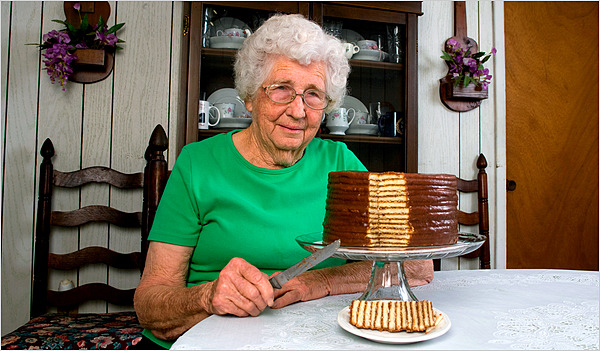

Festiveness, Stacked Up Southern Style

Just looking at the photo of this layer cake makes me salivate. I wonder If I have the patience to create something with this many layers! If I do, trust me, I’ll post about it…right after I eat it!

THREE LAYERS? WHY BOTHER? Martha Meadows of Slocomb, Ala., with her little layer cake with boiled chocolate icing. She will make 10 of them this year.

Festiveness, Stacked Up Southern Style

IN this corner of the country, where cotton and peanuts pay the bills and the Florida border is a morning’s walk away, the worth of a cook can be measured in cake layers.

All across the South at Christmas, layer cakes parade across virtually every sideboard. But in the small towns of southeast Alabama, they are more than holiday tradition.

They’re currency, comfort and status. Everyone knows whose cakes are tender and whose consistently reach 12 layers or more.

“Three or four weren’t nothing to brag about,” said Franklin Peacock, who has been eating layer cake here since the 1930s. “Five or six is about where you’d want to start talking about your cake.”

Martha Meadows, 77, learned to bake 15-layer cakes from her mother, who cooked each layer one at a time in a cast-iron hoe-cake pan…

For the complete article from The New York Times, please click here.

Pastriology

Now here’s a project we can get behind, considering it’s entirely based on pastry (both the good and the bad): “Pastriology,” a feature documentary by Alexis Krasilovsky.

SYNOPSIS:

Pastriology takes a global view of the perils and pleasures of pastry.  How can something that can make you sick and even kill you be such a sweet expression of cultural values and love?  Pastry is a luxury for some, a fast substitute for meals for others, and in today’s economy, it’s a comfort food for more and more Americans at a loss.  Pastriology addresses the planetary emergency of too little food, while seducing the viewer with the lavish traditions and beauty of pastry- and cake-making that call us back to the roots of our childhood.

For more information about the film, click here to visit the site.


Cafe Campesino turns out fresh muffins, scones, cookies daily…

Today, our hungry eye is on a coffee shop in Atlanta owned by our friend Maria Moore-Riggs, an extraordinary southern baker!

Coffee and treats sweeten Sweet Auburn market

Cafe Campesino turns out fresh muffins, scones, cookies daily

By C.W. Cameron (For the AJC)

The popularity of a neighborhood coffee shop often has as much to do with its sweet treats as the quality of the coffee. Standing next to the pastry case while you’re waiting to order, it’s hard not to be tempted by something you see on display. How about a muffin with that cappuccino? A scone with your chai latte? A cupcake with your hot chocolate?…

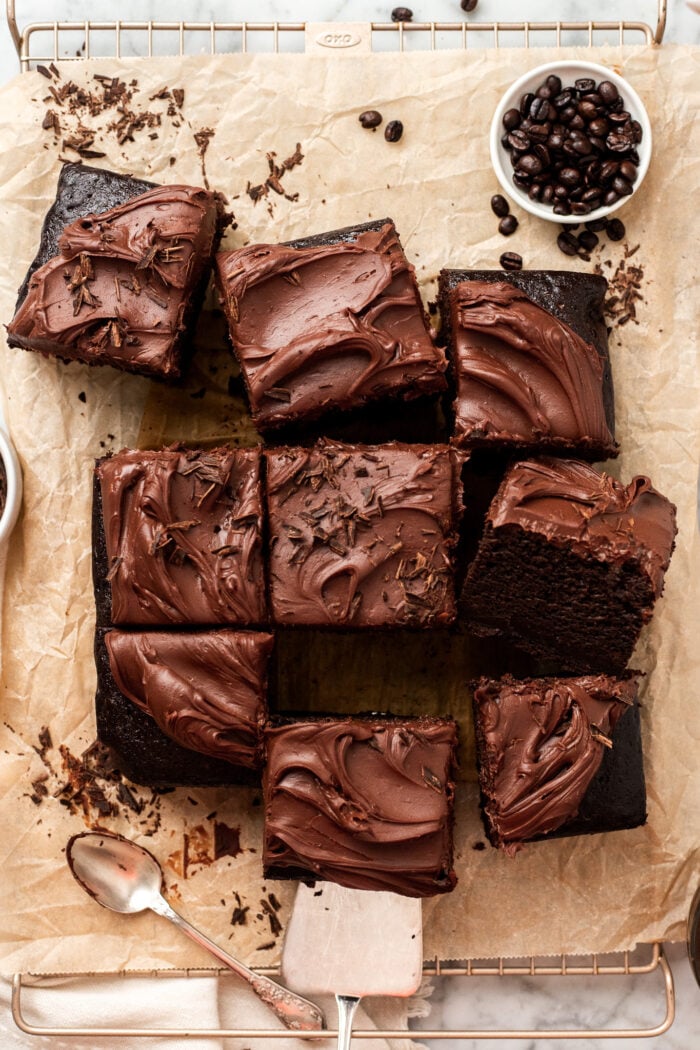
Cocoa Mocha Love Cakes are a vegan creation by Cafe Campesino owner Maria Moore-Riggs.

(Cocoa Mocha Love Cakes are a vegan creation by Cafe Campesino owner Maria Moore-Riggs.)

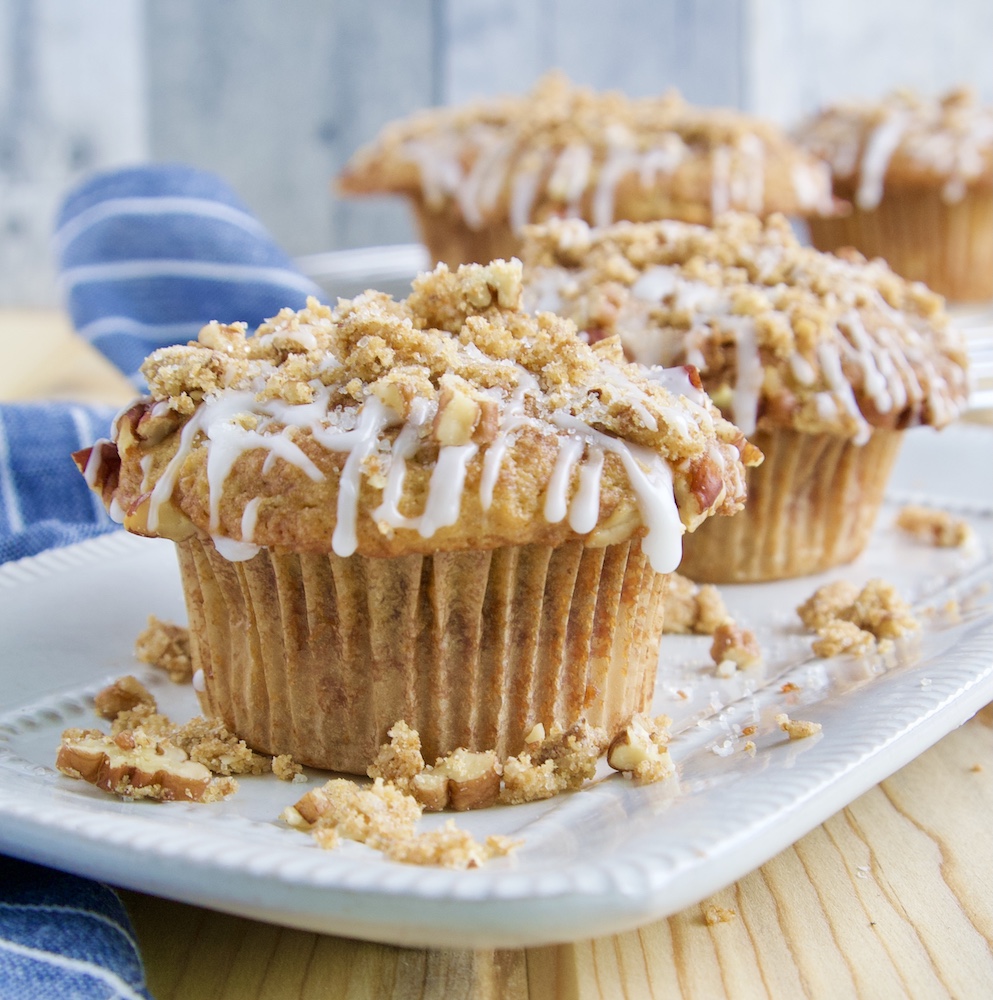
Hummingbird bran muffins, which play off hummingbird cake, are flavored with coconut, banana and pineapple.

(Hummingbird bran muffins, which play off hummingbird cake, are flavored with coconut, banana and pineapple.)

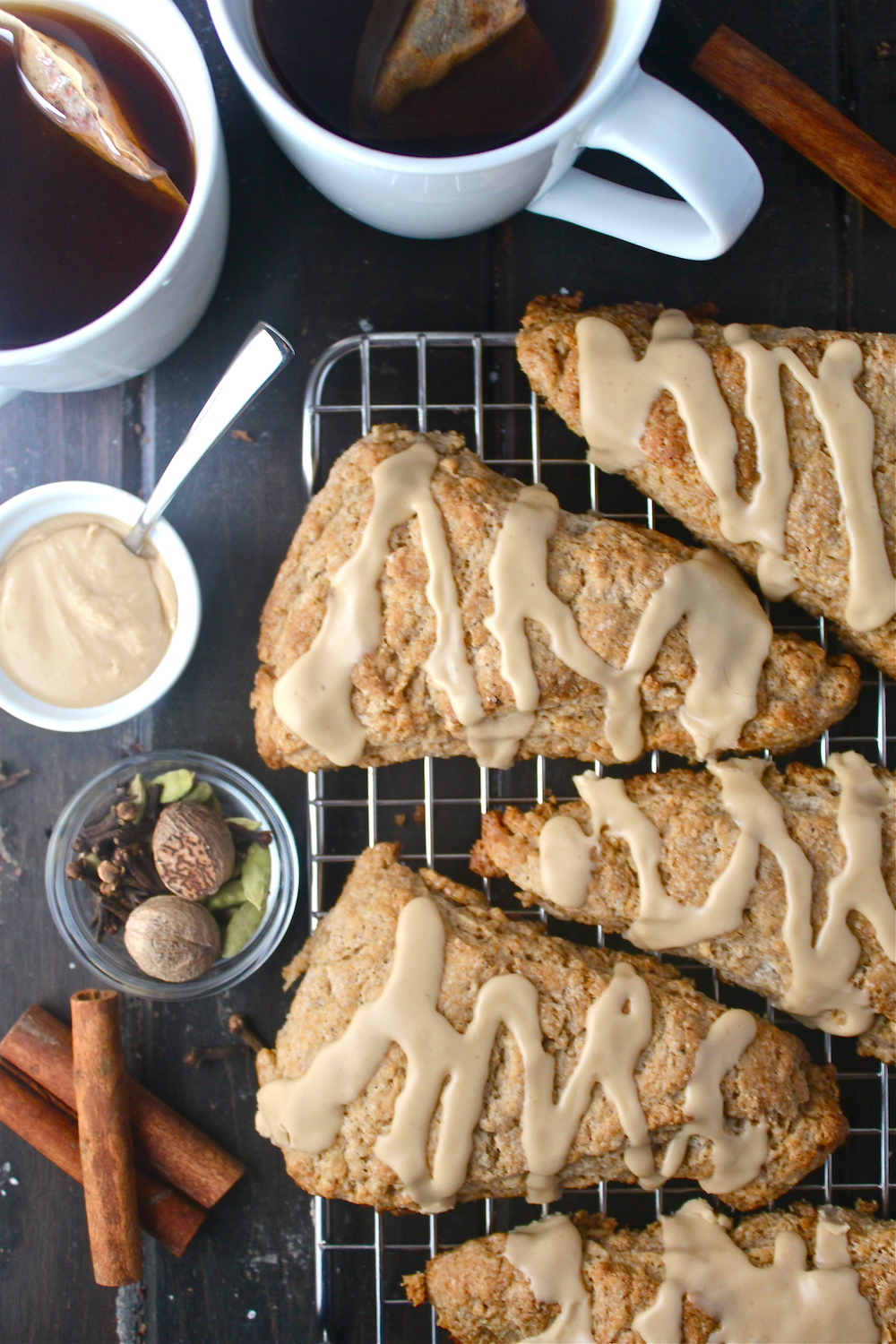
Chai spice scones deliver spicy chai flavors in a baked treat.

(Chai spice scones deliver spicy chai flavors in a baked treat.)

Cafe Campesino is one of the newest coffee shops in town, open since November at the Sweet Auburn Curb Market in downtown Atlanta. Owner Maria Moore-Riggs has a background in professional baking and massage therapy and a master’s degree in psychotherapy. She says running a coffee shop calls on all her professional skills because it’s all about building relationships and nurturing people.

One of the ways she nurtures her customers is by freshly baking scones, cookies, biscotti and more each day. She turns out a surprising number of treats from a 2-by-3-foot counter and a microwave-size convection oven in a tiny corner of the shop.

Cafe Campesino is a partnership with the Americus-based coffee roaster of the same name. The 100-percent organic and fair trade coffee comes from a green coffee importing cooperative. The folks in Americus roast coffee every day, and once a week Moore-Riggs gets a delivery of freshly roasted beans…

For the complete article from Access Atlanta, click here.

Maria’s original recipes for the delectable treats you see above can be found by clicking here, or by clicking “Continue Reading” below…

(Photo credit: Elissa Eubanks, eeubanks@ajc.com)

Read more

Durham NC’s Watts Grocery Bakes

Pecan-Cornmeal Butter Cakes

The New York Times April 20 Dining section has a great story about the flowering of restaurants in Durham, North Carolina (Durham, a Tobacco Town, Turns to Local Food).  When I lived there in the 1970s, the food was great, but the range of cookery was nowhere as bountiful as it is today.

Watts Grocery
represents the best that Durham has to offer these days, and that’s alot –  Frommer’s gives it 5 stars:

“…this down-home eatery run by Durham native Amy Tornquist serves the best farm-fresh fare in the area. The chef-owner believes in serving the best of Piedmont produce, and every rib-sticking dish is homemade. You can get fried chicken gizzards here just like grandma used to make when she wasn’t baking those red velvet cupcakes. Sandwiches, burgers, and salads dominate the luncheon menu, featuring a fried green tomato BLT, even (our favorite) hand-cut buttermilk onion rings with a chipotle-blue cheese dipping sauce. At night it gets fancier with entrees ranging from braised rabbit in red wine to yellowtail snapper filets stuffed with crabmeat. Buttermilk pancakes and shrimp and grits highlight the breakfast menu.”

Amy gave us her recipe for Pecan-Cornmeal Butter Cakes that ran in the NY Times, and now that I have baked up a batch, I can affirm that this is a wonderful and unusual dessert that perfectly represents the new style in Southern cooking.  Enjoy making and eating them.  If you’re like me, you’re already thinking about your next trip to North Carolina to visit this restaurant!

Time: One hour, plus at least 3 hours’ cooling

9 ounces unsalted butter, plus extra for pans

1 cup pecans, toasted and cooled

2 cups confectioners’ sugar

1/4 cup granulated sugar, plus extra for berries (optional)

3/8 cup all-purpose flour

2 teaspoons baking powder

7/8 cup white cornmeal, plus extra for pans

1/2 teaspoon kosher salt

8 egg whites

2 teaspoons vanilla extract

Berries, for serving

Ice cream or whipped cream, for serving.

1. In a small pan, simmer butter over low heat until light brown and toasty, 8 to 10 minutes. Strain and set aside.

2. In a food processor, rapidly pulse pecans, confectioners’ sugar and 1/4 cup granulated sugar until finely ground.

3. Sift flour and baking powder together. Mix in cornmeal and salt. Mix in pecan-sugar mixture.

4. Whisk egg whites and vanilla together just to combine and whisk into dry ingredients. Whisk in melted butter. Refrigerate batter at least three hours or overnight.

5. Heat oven to 325 degrees. Thickly butter 10 four-inch tartlet pans or a muffin-top tin. Dust well with cornmeal. Fill each a little more than halfway. If you have extra batter, make a second batch.

6. Bake until golden, 18 to 20 minutes. Cool 5 to 10 minutes in pans, then immediately turn out on a rack. Serve warm, topped with berries (if you like, stir with a little sugar and set aside for a few minutes), ice cream or whipped cream.

Yield: 8 to 12 small cakes.

Thank you Amy Tornquist and the Watts Grocery, located at 1116 Broad St, Durham, NC – call 919/416-5040 for reservations.

Strawberry Shortcake Done Proper

And old pal from childhood, Chris Ellinger, agreed to offer up his secret recipe for strawberry shortcake. According to Chris: “There’s a hundred versions of strawberry shortcake. Some use those store bought sponge cakes, some use lady fingers, some just use regular cake. These are all WRONG! You are cheating yourself if you don’t make it proper! You can use a regular biscuit recipe with a little extra sugar added, but if you want an extra rich real south Georgia shortcake, the secret is hard boiled egg yolks!”

So, listen close to some real strawberry shortcake expertise –

Preheat your oven to 425

 and sugar up your strawberries! Make sure to save some big’uns for the top!

Dry ingredients:
3 cups low-protein or all-purpose flour
1 tablespoon baking powder
1/2 teaspoon salt
4 tablespoons sugar
Wet ingredients:
1/3 cup COLD butter
4 egg yolks, hard boiled
1 1/4 cup whipping cream

Directions

Cut your butter and yolks into the dry ingredients with a pastry blender (NOT a mixer!). Don’t mash it up too much, just a coarse blend.

Add in the whipping cream and mix with a fork until all the dry is wet.

Knead and fold it out on the counter – not too much! The more folds you have the more layers you’ll get!

 You can either do individuals with a biscuit cutter or you can put it in a greased cake pan. I like to brush the top with a little whipping cream or buttermilk before baking.

Keep in oven until they are just turning gold on the edges – usually about 15 minutes.

Let cool on wire rack. If you made the cake pan size, remove from pan right away!

Whip up your cream with some sugar and a squirt of vanilla!

 Split your cake or biscuits in half and slop on some sugared berries. Whip cream and whole berries on top – Bingo.

(Thanks Chris!)

It smells good in here….

As far as we’re concerned, there is nothing better than Southern style baking.  That means breads, biscuits, pies, cakes and cookies.  The South is a big place, and its foodways have influenced people all over America – all over the world for that matter.  While we will celebrate traditional Southern baking in a big way here, we have an eclectic approach to cooking, baking and eating, so you can expect to find a great many variations on a Southern theme in these pages.

If you bake, if you have recipes passed down to you by family and friends, if you want to let us know about the best bakers, bakeries and restaurants that bake, we want to hear from you.  Write to us.  Send pictures.  We’re always hungry!